Consuming data via APIs
You have a large, slow changing, read-only dataset you need to consume via an API. That's a perfect use case for tap. Why?
First, let's see how we may approach this without tap:
In a 3-tier architecture that powers the vast majority of applications today, you would need to:
- Spin up a database.
- Determine and manage a data schema with optimised indexes based on your access needs.
- Extract data from your file(s), transform the data to match your schema, and load it into a database in a reproducible way.
- Create an API and deploy to a server to return data from your database.
- Add authentication to protect your data.
- Operate and pay for your server and database infrastructure.
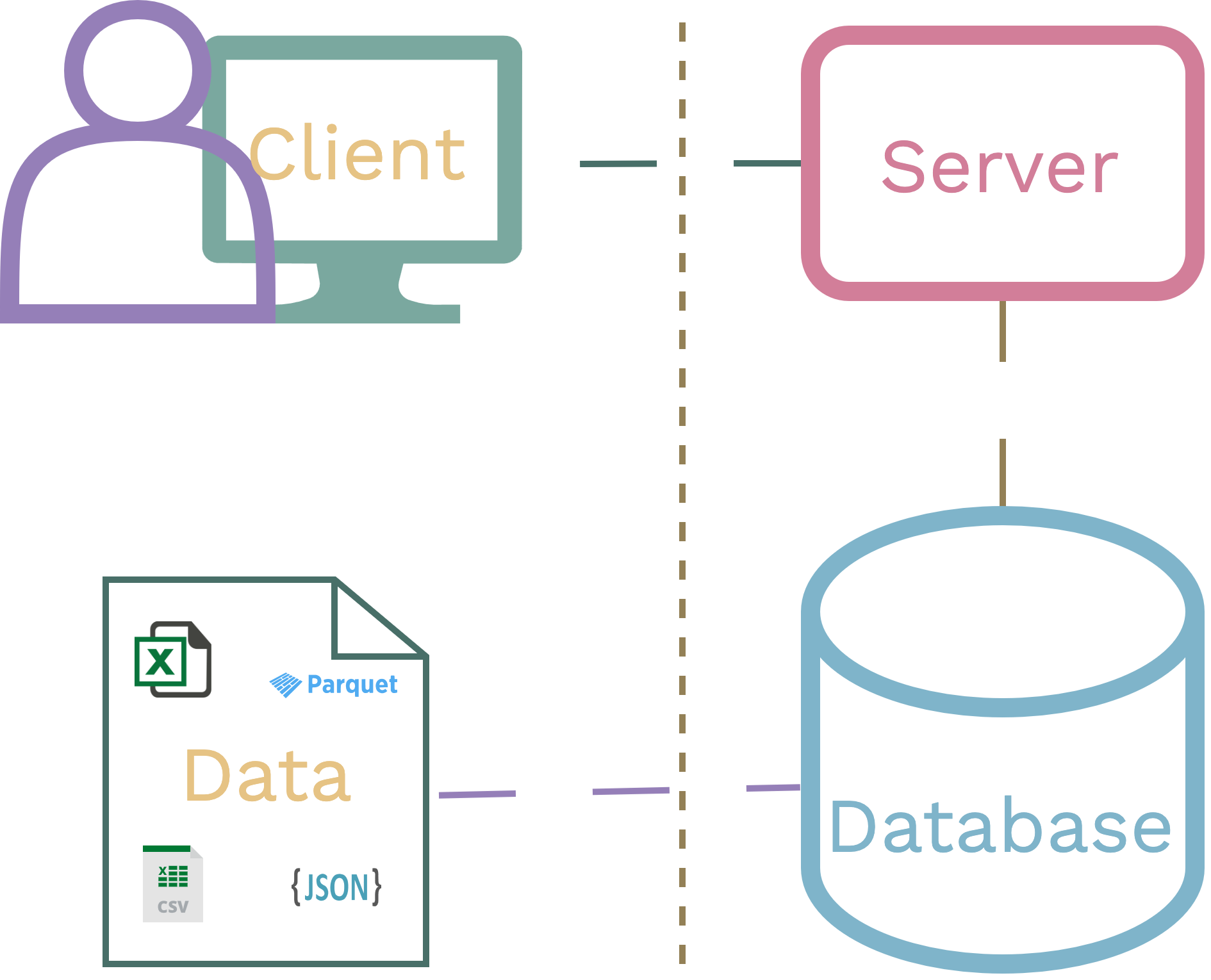
When choosing a possibly lower effort implementation, such as exposing the files directly from a function in a serveless architecture, you'd face the following limitations and challenges:
- File size limits.
- Maintaining some kind of reproducible ETL pipeline for potential initial data transformation and subsequent updates.
- Subpar performance for even relatively small files.
- Having to implement or pay for authentication to protect your data.
- Enable cost-controls or network policies to protect against denial-of-wallet attacks.
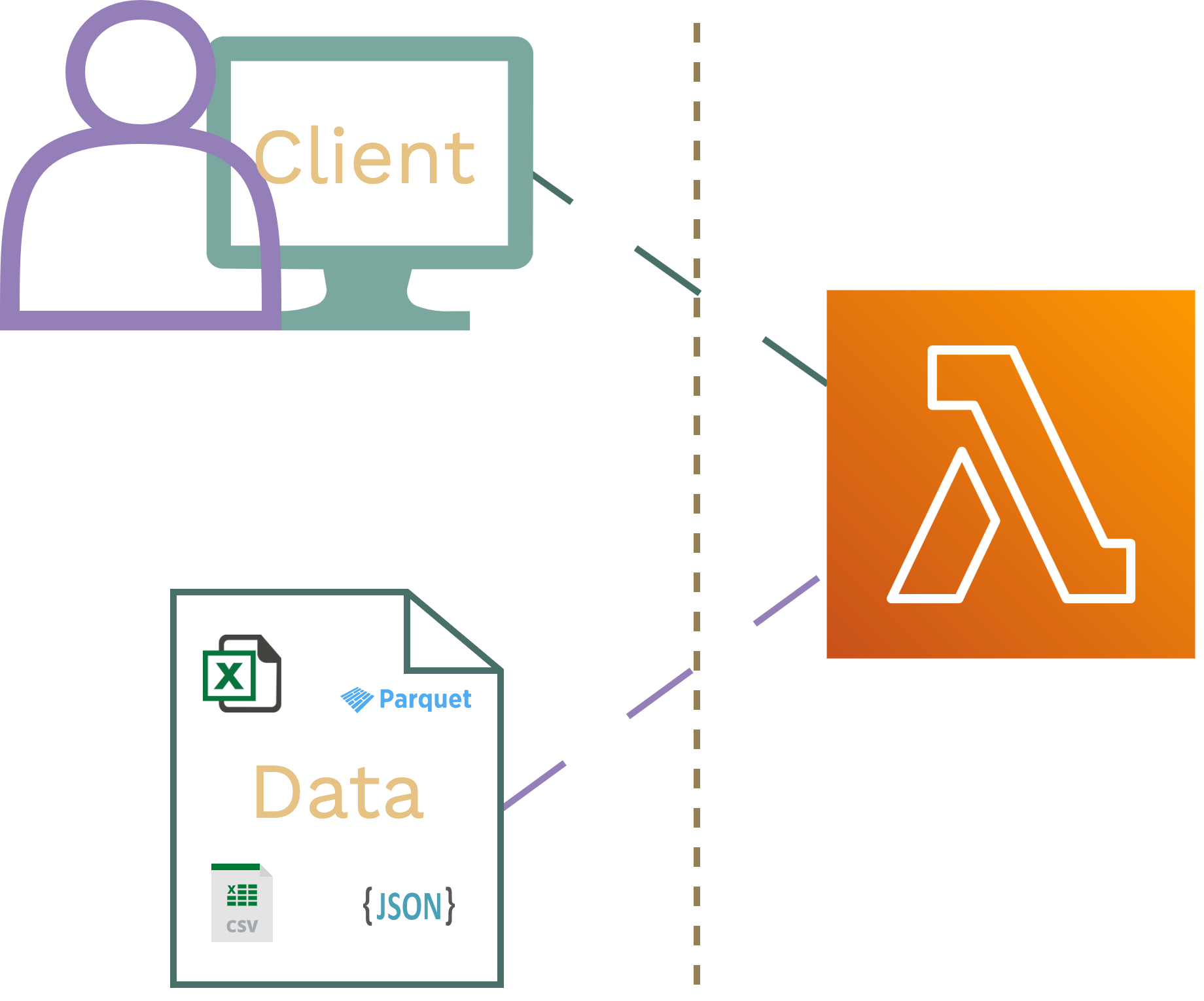
Compare this to tap, which will turn those files into ready-to-integrate HTTPS APIs in seconds with:
- Zero backend configuration. No servers to manage.
- Familiar SQL queries to clean, join and enrich your data.
- Support for CSV, JSONL, Parquet and other files of any size.
- OpenAPI documentation.
- API key based security.
- Monitoring.
- High performance with fast, optimised queries.
- A pricing model that you don't have to think twice about.
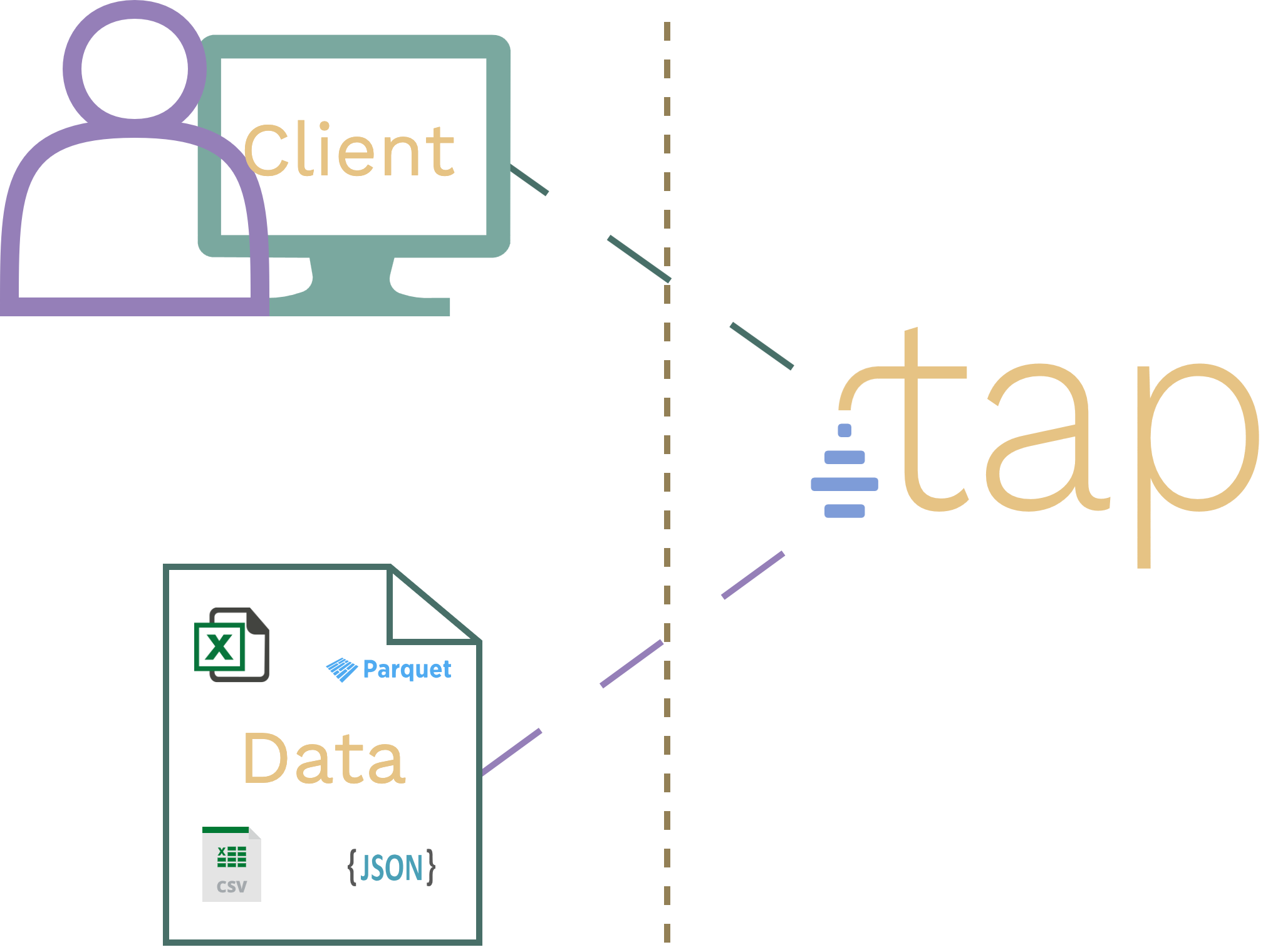
Looks good? Missing something you need? We need your feedback.
Let us know if you need to get your data and applications talking, or you want to save money on complex, inefficient data platforms and integration tooling. We'd love to discuss and see how tap could help.
tap is built by DigitalSociety – we build bespoke digital tools for complex requirements in web applications, data engineering and cloud.